FRLA Broward Chapter Recognizes Students and Teachers at Annual Excellence in Education Breakfast


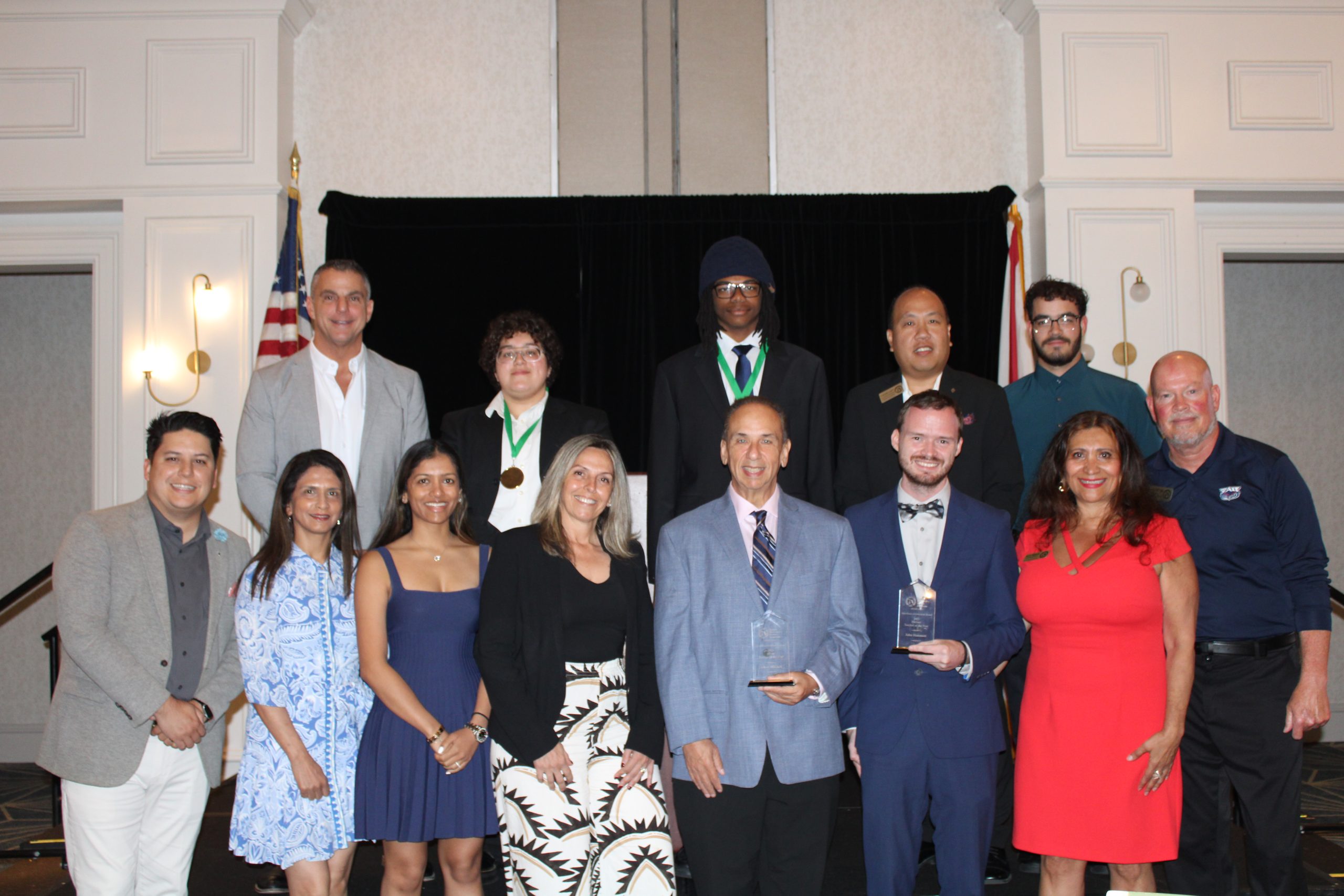
Students and teachers from Broward County receive scholarships and awards at the 2025 Excellence in Education Awards Breakfast.

Additional photos can be found here.


Fort Lauderdale, FL – The Florida Restaurant & Lodging Association Broward Chapter hosted the annual Excellence in Education Awards breakfast on May 5, 2025, at the Renaissance Fort Lauderdale West Hotel. The event began with remarks from Broward County Mayor Beam Furr, followed by inspiring stories from speakers Aaron Weegar, Dir. of Sales & Marketing from the Omni Hotel and Peter Ricci, Dir. Hospitality and Tourism from FAU. Each year, this event honors both outstanding students pursuing careers in the industry and the dedicated teachers who prepare them for success. The Broward Chapter was proud to present medals and $2,000 in scholarships to each of the honored students this year. The winning teachers were awarded with a plaque, $500, and two complimentary roundtrip tickets donated by Southwest Airlines. This year’s honored recipients were:

Students of the Year:
Ivan Lovera, Nova High School – HTM
Ferren Wright, Coral Springs High School – ProStart
Jesse Borrero, Florida Atlantic University – HTM
Laqonia Williams, Broward College – HTM
 
Teachers of the Year:
Mitchell Albert, Stoneman Douglas High School – HTM Teacher
John Hammett, Miramar High School – ProStart Teacher


Since 2011, the FRLA Broward Chapter has awarded over 100 students with scholarships totaling to $200,000. 


About the Florida Restaurant and Lodging AssociationThe Florida Restaurant and Lodging Association (FRLA) is Florida’s premier non-profit hospitality industry trade association. Founded in 1946 as the Florida Restaurant Association, FRLA merged with the Florida Hotel and Motel Association in 2006. FRLA’s more than 10,000 members include independent hoteliers and restaurateurs, household name franchises, theme parks, and suppliers. The association’s mission is to protect, educate, and promote Florida’s $111.7 billion hospitality industry which represents nearly two million employees. Dedicated to safeguarding the needs of its membership, FRLA provides legislative advocacy to ensure the voices of its members are heard and their interests are protected. The association offers regulatory compliance and food safety training through SafeStaff® and FRLA’s subsidiary, RCS Training. The FRLA Educational Foundation provides industry-developed, career-building high school programs throughout the state.

###

FloridaCommerce Activates the Florida Small Business Emergency Bridge Loan Program, Making $50 Million Available for Businesses Impacted by Hurricane Milton

Tallahassee, Fla.  – Today, Florida Commerce activated the Florida Small Business Emergency Bridge Loan Program, making $50 million available for businesses impacted by Hurricane Milton. Florida small business owners in need of assistance are encouraged to visit FloridaJobs.org/EBL to apply for the Florida Small Business Emergency Bridge Loan Program.

Businesses in the following counties, including sole proprietors, are eligible to apply: Alachua, Baker, Bradford, Brevard, Broward, Charlotte, Citrus, Clay, Collier, Columbia, DeSoto, Dixie, Duval, Flagler, Gilchrist, Glades, Hamilton, Hardee, Hendry, Hernando, Highlands, Hillsborough, Indian River, Lafayette, Lake, Lee, Levy, Madison, Manatee, Marion, Martin, Miami-Dade, Monroe, Nassau, Okeechobee, Orange, Osceola, Palm Beach, Pasco, Pinellas, Polk, Putnam, Sarasota, Seminole, St. Johns, St. Lucie, Sumter, Suwanee, Taylor, Union, and Volusia counties.

The program provides short-term, zero-interest loans to small businesses that experienced economic injury or physical damage due to Hurricane Milton. Interested applicants can apply now through December 4, 2024, or until all available funds are expended.
Eligible small businesses may apply for loans of up to $50,000 through the program. Loans of up to $100,000 are available for agriculture and aquaculture small businesses, and loans of up to $150,000 are available for citrus and cattle operations. Loans approved through the Emergency Bridge Loan Program are intended to “bridge the gap” between the time a disaster impacts a business and when a business has secured longer-term recovery funding, such as federally or commercially available loans, insurance claims, or other resources.

Loans made under this program are short-term, zero-interest, personal loans using State of Florida funds. They are not grants and loans must be repaid by the approved applicant.
FloridaCommerce administers the Emergency Bridge Loan Program alongside its fiscal administrator, Florida First Capital Finance Corporation.

Visit FloridaJobs.org/EBL  to learn more about the program, view the lending guidelines and required documentation, and complete an application by the December 4, 2024, deadline. 
 

FloridaCommerce Activates Business Damage Assessment Survey to Measure Impact of Damage Caused by Hurricane Milton

FloridaCommerce Activates Business Damage Assessment Survey to Measure Impact of Damage Caused by Hurricane Milton

Oct 10, 2024

Tallahassee, FL – Today, FloridaCommerce and the State Emergency Response Team (SERT) activated the Business Damage Assessment Survey in response to Hurricane Milton. Business owners can self-report physical and economic damage caused by Hurricane Milton. Survey responses will allow the state to expedite Hurricane Milton recovery efforts by gathering data and assessing the needs of impacted businesses.

Businesses can complete the survey online by visiting  FloridaDisaster.biz and selecting “Hurricane Milton” from the dropdown menu. 

Or click the button below

Business Damage Assessment Survey

If you need additional assistance with your business, please call the private sector hotline at 850-815-4925, open daily, 8:00 a.m. to 5:00 p.m., or email  [email protected].

National Food Safety Month: Essential Tips to Prevent Foodborne Illnesses in Your Restaurant

From our partners at the National Restaurant Association


Proper prevention practices can significantly reduce the risk of contamination and foodborne illnesses. Follow these essential tips to protect your staff, your customers, and your reputation from outbreaks.

Putting Personal Hygiene First

Most foodborne outbreaks at restaurants are caused by food handlers unknowingly transferring pathogens from their body onto food. Neglecting personal hygiene greatly increases the risk of transferring harmful pathogens to food.

The number one way to avoid a foodborne illness outbreak at your operation is to ensure your staff are following proper hygiene protocols. One of the most important personal hygiene practices food handlers should follow is knowing when, where and how to wash their hands.

Practicing proper hygiene in the restaurant also includes knowing when and how to use gloves, keeping hands and nails clean, wearing appropriate work attire and not showing up to work sick.

Here are more essential tips for maintaining a clean, healthy crew:

DO’S DON’T’S
● Hang posters near handwashing sinks that clearly indicate when, where and how employees should wash their hands. ● Let employees use rags, aprons or their clothes to dry their hands.
● Regularly stock your handwashing stations with soap and paper towels. ● Use the hand washing sink for anything other than washing hands.
● Talk to staff about dirty hands and nails, unkempt hair, soiled clothes or inappropriate jewelry and provide your reasoning. ● Let employees come into work sick.
● Let staff know where they can eat, drink, smoke and chew gum or tobacco.
● Look out for employees who are coughing, sneezing, vomiting or displaying other signs of illness and remind them of your sick policy.


Controlling Food Time and Temperature

Another common cause of foodborne illness in restaurants stems from unsafe bacterial growth in food. Certain types of food, known as Time/Temperature Control for Safety (TCS) foods, allow for more bacterial growth than others. When left at certain temperatures for an extended amount of time, bacteria in these foods can grow to dangerous levels.

Controlling Food Time and Temperature

Controlling the time and temperature of TCS foods is critical for limiting bacterial growth that can cause your guests to become sick. Making sure your kitchen staff knows the time and temperature controls for TCS foods (Spanish Version) is crucial for preventing foodborne illness from time and temperature abuse.

Ensure food handlers know how to properly take food temperatures using a thermometer. Take TCS food temperatures during receiving, storing, prep, thawing, cooking, holding, cooling and reheating.

Check out these tips for keeping TCS food safe in your restaurant:

DO’S DON’T’S
● Display accurate time and temperature charts in the kitchen. ● Thaw TCS food at room temperature.
● Make sure your thermometers are correctly calibrated and stored in a clean, safe area. ● Cool large amounts of hot food in a cooler.
● Check refrigerator and freezer temperatures regularly. ● Allow cooks to prep TCS food in large batches.
● Ensure good food quality during receiving, rejecting frozen food that has thawed, expired food, or food that has an abnormal color, texture or smell. ● Assume TCS food is safe to eat by looking at it or smelling it.
● Label stored food with use-by dates.
● Keep cold food cold and hot food hot.

Preventing Cross-Contamination

Cross-contamination happens when foodborne pathogens are transferred from one surface or food to another and can lead to dangerous outbreaks. Cross-contamination can happen at any time, from receiving and storing food to preparing and serving it.

Aside from keeping known contaminants out of your kitchen, employees should be aware of how to properly store, prep and serve raw and ready-to-eat foods to limit the transfer of pathogens. Staff should also undergo food allergen training to prevent potentially harmful cross-contact.

Here are some tips for preventing cross-contamination:

DO’S DON’T’S
● Maintain designated food storage areas. ● Allow stored food to touch walls or the floor.
● Educate food handlers on where and how to store food. ● Allow food handlers to prepare ready-to-eat food on surfaces that have come in contact with raw meat, seafood or poultry without being cleaned or sanitized.
● Store chemicals and other non-food items away from food. ● Let cooks use the same cutting boards, utensils or cooking oil to prepare allergen orders.
● Designate color-coded cutting boards and utensils for preparing raw and ready-to-eat foods.
● Keep unwashed produce away from raw food until cleaned.
● Educate servers on how to hold and store plates and utensils.

Cleaning and Sanitizing in the Kitchen

It should go without saying that a dirty kitchen is a breeding ground for unsafe germs. Establishing good cleaning and sanitizing practices in the kitchen can help reduce the spread of harmful pathogens onto food.

The first step toward ensuring a safe, clean kitchen is making sure employees know when and how to clean and sanitize. Your food handler staff should know how to correctly use a dishwasher and three-compartment sink, how to clean and sanitize stationary equipment and how to properly handle garbage.

Follow these cleaning and sanitizing tips to keep your kitchen safe:

DO’S DON’T’S
● Make sure your staff understands the difference between cleaning and sanitizing and know which surfaces to clean and sanitize. ● Keep worn or cracked equipment.
● Provide demonstrations on how to properly clean and sanitize stationary equipment like ice cream machines, meat grinders and dishwashers. ● Keep garbage in prep areas for an extended amount of time.
● Instruct staff on how to mix and test sanitizing solutions. ● Allow staff to towel dry items.
● Regularly check for signs of pests by looking for droppings, nests or damage to products.
● Follow a comprehensive cleaning program.

Want an easy way to prevent the spread of foodborne illnesses in your operation? Download The 3-Legged Approach to Preventing Foodborne Illnesses poster and hang it where employees can easily reference it to help prevent an outbreak.


The 3-Legged Approach To Preventing Foodborne Illnesses

National Food Safety Month: What is a Foodborne Illness? Breaking Down Common Foodborne Illnesses

From our partners at the National Restaurant Association


Millions of Americans experience food poisoning each year, suffering symptoms like vomiting, diarrhea, and cramps. In some cases, those symptoms aren’t just disruptive – they’re life-threatening.

That’s why, to kick off National Food Safety Month 2024, we’re focusing on some of the most common culprits behind foodborne illnesses. While food can become contaminated by chemical, physical, or biological elements, we’ll be focused on biological hazards. Biological hazards in food known to make people sick are called foodborne pathogens. If you work with food, you should be aware of common pathogens and their telltale symptoms so that you can protect yourself and your community. Let’s dive in!

What is a Foodborne Illness?

According to the Food and Drug Administration (FDA), Foodborne illness occurs when people eat or drink food or beverages contaminated with pathogens, chemicals, or toxins. Regardless of how food is contaminated, foodborne illness is a significant public health challenge in the U.S. and worldwide. The FDA reports that 1 in 6 people get sick from contaminated food each year.

Your Guide to Common Foodborne Illnesses

While there are many ways for food to become contaminated, the reality is that most cases of illness in the U.S. are caused by a select handful of foodborne pathogens. In fact, data from the FDA reveals that five major pathogens commonly cause foodborne illnesses across the nation.


Let’s take a closer look at each pathogen to understand what it is, how it spreads and what restaurants and food industry workers can do to protect themselves and their customers.


1. NOROVIRUS

The leading cause of illness from contaminated food or beverages in the U.S. is norovirus infection, which develops after a person is exposed to any of the many noroviruses found nationwide. Since there are several types of noroviruses, there are many ways to get infected.

When ingested, norovirus causes a condition known as acute gastroenteritis, which causes inflammation in the stomach or intestines. Most people who get sick with norovirus illness get better on their own within about one to three days. However, carriers can still spread the virus a few days after recovery.

Signs and SymptomsSigns and Symptoms

Most people develop symptoms of norovirus infection 12 to 48 hours after being exposed to the pathogen.

  • Common: Diarrhea, vomiting, abdominal cramps, nausea
  • Other Symptoms: Mild fever, headache, muscle aches

How it SpreadsHow it Spreads

  • Direct contact with someone who has norovirus
  • Eating foods or drinking beverages contaminated with norovirus
  • Touching contaminated surfaces or objects and then putting unwashed fingers into the mouth

Noroviruses are infamously contagious. Employees who come into work sick with norovirus can easily pass the virus on to their colleagues and customers.

Prevention Tips for Food WorkersPrevention Tips for Food Workers

While it may be easy to spread norovirus, you can take steps to avoid getting yourself or others sick.

  • Wash your hands thoroughly and often, particularly when preparing food.
  • Clean and disinfect surfaces regularly.
  • Stay home when you’re sick until 48 hours after symptoms stop.

2. SALMONELLA

Few pathogens are as notorious as Salmonella, which are bacteria that can make people sick via contaminated food, beverages or water. Since Salmonella lives in the intestines of people and animals, it can also come from interacting with infected animals, their feces, or their surroundings.

There are some foods that are more likely than others to be exposed to Salmonella, including the following:

  • Fresh fruits and vegetables
  • Poultry and eggs
  • Meats
  • Milk
  • Dairy products
  • Seafood
  • Sauces and dry foods (yeast, spices, peanut butter, etc.)


Most types of Salmonella bacteria cause a condition known as salmonellosis, which typically lasts for about four to seven days. Others cause typhoidal illness or typhoid fever.

Signs and SymptomsSigns and Symptoms

Usually, symptoms of salmonellosis begin about six hours to six days after exposure to the bacterium. However, some people don’t show signs of infection for several weeks.

  • Common: Diarrhea that may be bloody, fever, stomach cramps
  • Other Symptoms: Nausea, vomiting, headache, lethargy

How it SpreadsHow it Spreads

  • Eating foods or drinks contaminated with the bacterium
  • Touching infected animals or feces and not thoroughly washing hands afterward

It’s important to recognize that foods contaminated with Salmonella often look and smell normal.

Prevention Tips for Food WorkersPrevention Tips for Food Workers

It can be difficult to wash Salmonella off food. As a result, the best ways to prevent infection involve killing or avoiding the bacteria entirely.

  • Thoroughly cook all food items to a safe minimum internal temperature.
  • Wash your hands regularly and thoroughly, especially after handling food.
  • Keep raw food items separate from cooked items.
  • Always store and display food at a safe temperature.

3. E. COLI

E. coli bacteria exists all around us. While most strains are harmless, certain types of E. coli can make people very sick.

These kinds of E. coli produce the Shiga toxin, which can cause severe health issues like blood clotting problems or kidney failure. An infection that develops from one of these bacteria may lead to a serious condition called hemolytic uremic syndrome (HUS). Over time, HUS can lead to permanent health symptoms and even cause death.

Signs and SymptomsSigns and Symptoms

In most cases, an E. coli infection causes gastrointestinal symptoms that may last for about two to nine days after exposure. The bacteria can also cause infections in the bloodstream, gallbladder, and other organs.

  • Common: Diarrhea that may be watery or bloody, severe abdominal cramps
  • Other Symptoms: Nausea, vomiting, low fever

One specific type of E. coli (enterotoxigenic E. coli, or ETEC) causes an infection known as traveler’s diarrhea, which causes severe diarrhea that sometimes occurs within just a few hours.

How it SpreadsHow it Spreads

  • Eating or drinking contaminated items (or touching food that has been handled by an infected person)
  • Eating contaminated foods that have not been thoroughly cooked
  • Coming into contact with the feces of an infected person
  • Touching an object or surface after it’s been touched by an infected person who has not washed their hands well enough

E. coli bacteria have been found in everything from ground meats to romaine lettuce and even commercially manufactured frozen cookie dough.

Prevention Tips for Food WorkersPrevention Tips for Food Workers

In addition to essential food safety habits like washing your hands regularly, taking steps to protect yourself and others from E. coli is fairly straightforward:

  • Cook ground beef to a minimum internal temperature of 160 °F.
  • Cook raw meats and eggs to a safe minimum internal temperature.
  • Wash raw produce under clean, running water.
  • Avoid drinking unpasteurized or “raw” milk and juices.

4. HEPATITIS A

There are a few types of hepatitis virus, but the one that’s most relevant to the food industry is the hepatitis A virus, also known as “HAV.” The term “hepatitis A” actually describes the disease of the liver that the virus causes.

Many people who get sick from HAV take weeks or even months to recover. Some people get so sick that they experience liver failure, and the condition can also be fatal, particularly for those with compromised immune systems.

Signs and SymptomsSigns and Symptoms

Adults who get sick with hepatitis A are more likely than children to develop symptoms. However, not everyone with the virus has symptoms, which means they may unknowingly pass it on to others.

  • Common: Diarrhea, dark urine or clay-colored stools, low appetite, nausea or vomiting, aches, fatigue, jaundice (yellowing of the skin and whites of the eyes)
  • Other Symptoms: Inflammation of the liver or liver damage

How it SpreadsHow it Spreads

  • Coming into direct contact with an infected person (shaking hands, for example)
  • Eating or drinking contaminated food or beverages

It only takes a little bit of the virus to make people sick, so it’s important to be thorough in your prevention habits.

Prevention Tips for Food WorkersPrevention Tips for Food Workers

Getting vaccinated against hepatitis A is one of the best ways to protect yourself from getting sick. Other things you can do to stay safe include the following:

  • Thoroughly wash your hands after using the bathroom, changing diapers, and before preparing or eating food.
  • Stay home from work if you show symptoms like nausea, diarrhea, or jaundice.

5. SHIGELLA

Last but certainly not least is Shigella, a bacterium that can spread through contaminated feces. These bacteria cause shigellosis, a condition that usually is mild and goes away by itself.

However, some cases of shigellosis can become severe enough to cause death. One type of Shigella (S. dysenteriae type 1) produces the Shiga toxin, just like E. coli can. This bacteria causes some of the most serious versions of the disease.

Signs and SymptomsSigns and Symptoms

Most people who get shigellosis experience symptoms for a few days, though some cases may last for weeks.

  • Common: Diarrhea that may be bloody, fever, stomach cramps
  • Other Symptoms: Vomiting, feeling the need to pass stool even with empty bowels

How it SpreadsHow it Spreads

  • Getting Shigella bacteria on your hands and then touching food or your mouth
  • Eating or drinking food or beverages prepared by an infected handler
  • Coming in contact with infected feces
  • Drinking contaminated recreational water (i.e., lake or river water)

The germs might also make their way onto foods that are grown in fields contaminated with Shigella-containing feces.

Prevention Tips for Food WorkersPrevention Tips for Food Workers

Reduce your chances of catching or spreading a Shigella infection by following these essential tips.

  • Thoroughly wash your hands before handling food, after going to the bathroom, or after cleaning up after someone who went to the bathroom.
  • Keep diapers in a secure and covered, lined garbage can.
  • Avoid drinking potentially contaminated water.
  • Stay home from work if you experience diarrhea or vomiting.

Learn More About Foodborne Illness

To take a deeper dive into common foodborne illnesses, how they can spread, and what you can do to prevent contamination in your operation, download our eBook, “The Science of Foodborne Illnesses and Outbreaks Pt. 1: The Most Common Foodborne Illnesses.”


FRLA and Samuel’s Seafood Partner with Quest Kids Academy for Culinary Education Initiative

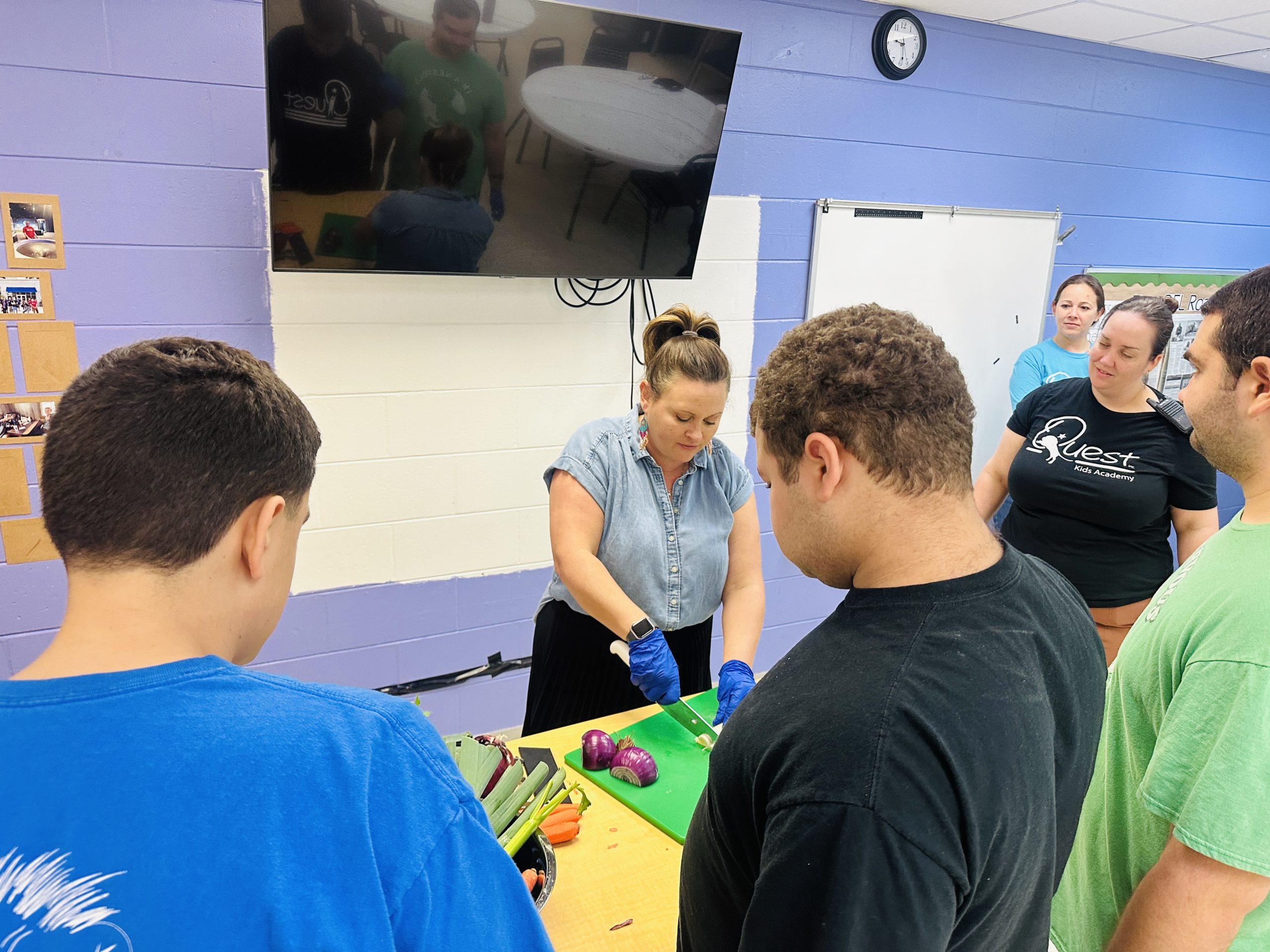
(Angie Berberich, culinary expert with Samuel’s Seafood, demonstrates proper chopping techniques with Quest students) 

The FRLA Central Florida Chapter has partnered with Quest Kids Academy and Samuel’s Seafood to provide a customized K-12 education for children and teens with autism and other developmental disabilities.

Since November of 2023, this collaboration aims to bring culinary education and hands-on experience directly to the students at Quest Kids Academy. Each month, industry professionals schedule visits to the Academy to demonstrate essential cooking skills.

The first meal focused on preparing a classic spaghetti and meatball dinner from scratch. Angie Berberich, with Samuel’s Seafood, showcased her mastery in the kitchen by teaching the art of knife skills. She skillfully demonstrated the proper techniques for cutting onions, carrots, peppers, and garlic – the essential ingredients for a delicious spaghetti sauce.

Erin Hennessy, the Work-Study Program Lead Teacher at Quest Kids Academy, shared her enthusiasm for the program: “Everyone had a great day, and all really learned a lot. After Angie left, we roasted all the chopped veggies in the oven, and everyone in the school kept talking about how good everything smelled!”

This monthly program aims to teach culinary skills and inspire the students to love cooking, eat healthy, and become more independent. The partnership between FRLA Central Florida Chapter, Samuel’s Seafood, and Quest Kids Academy is a testament to the power of community collaboration in enriching educational experiences.

“We are thrilled to see such a positive response from the students and staff at Quest Kids Academy,” said Brittany Pilcher, Director of Philanthropy at Quest, Inc. “This partnership is a perfect example of how industry and education can come together creating access for meaningful learning opportunities.”

To learn more about this partnership, please contact FRLA’s Central Florida Regional Director, Mel Coffey at [email protected].

Miami Lakes Educational Center Wins The 2nd Annual Universal Orlando Handheld Food Competition


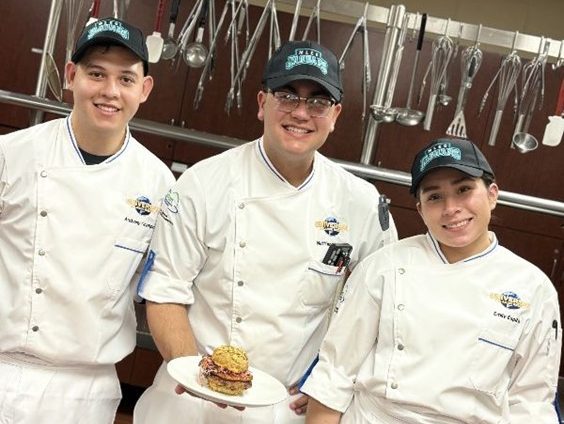
(Anthony Ocampo, Matthew Perez and Emily Espitia from Miami Lakes Educational Center hold their winning handheld item)

The FRLA Educational Foundation and UCF Rosen College have announced Miami Lakes Educational Center as the winner of the 2nd Annual Universal Orlando Handheld Food Competition. The Handheld Competition provides an opportunity for Florida ProStart students to put their skills to the test by creating a seasonal handheld item they would like to see featured in a Universal Orlando theme park. The competition was held at the UCF Rosen College of Hospitality Management and the awards were presented at Universal Orlando on February 6, 2024.

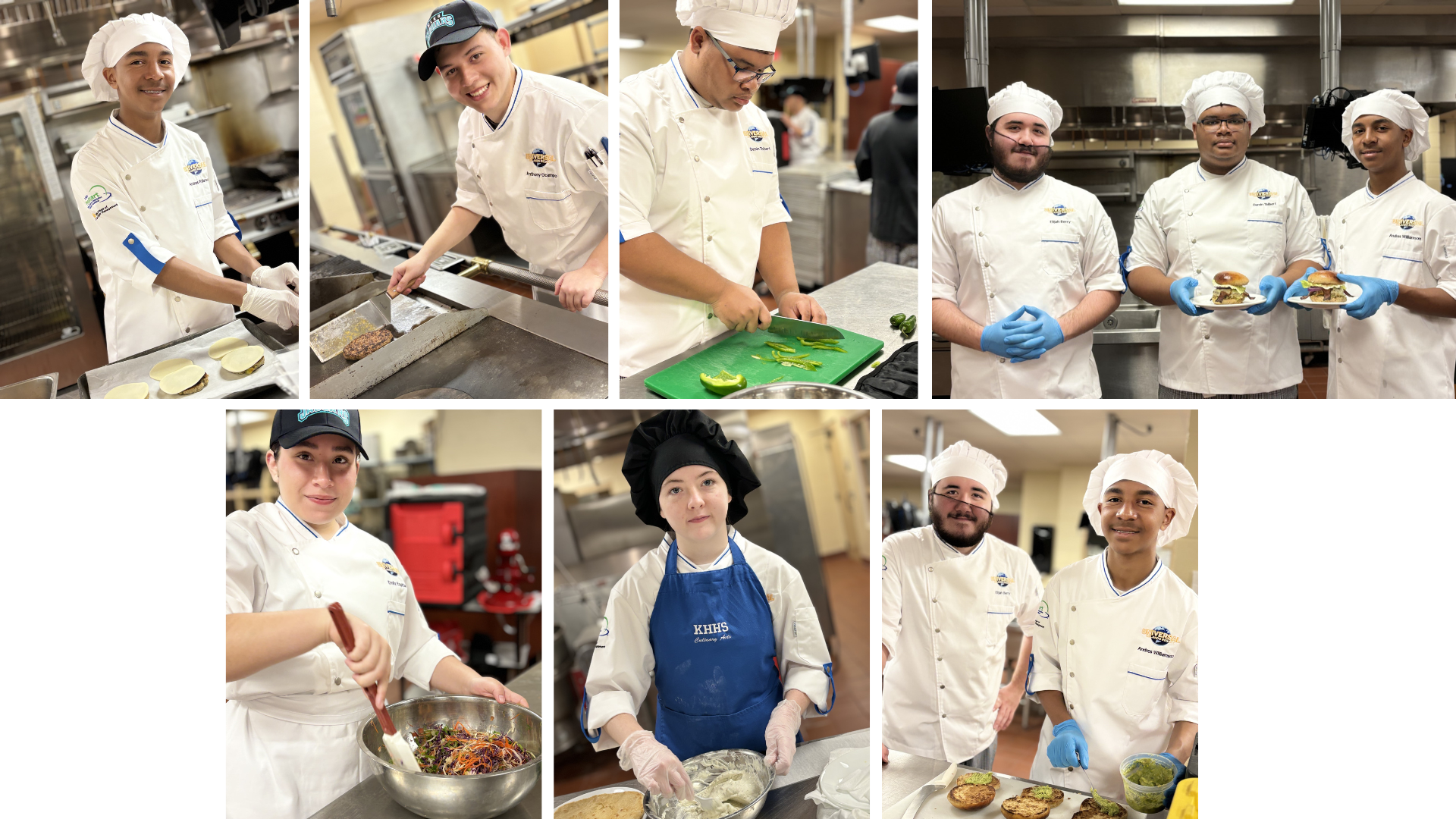
This year, 10 Florida ProStart High Schools competed in the competition with three schools advancing to the third and final round. Keystone Heights High, Miami Lakes Educational Center, and Ridgeview High competed in the final round for first place. The winning handheld created by Miami Lakes Educational Center consisted of a Plantain Bun, Cuban Inspired Beef and Pork Patty, Crisp and Chewy Fried Cheese, Central American Slaw, and a Special Sauce.

As the winner of the competition, Miami Lakes Educational Center received $2,500 from Universal Orlando towards the school’s ProStart Program and the winning handheld item will soon be featured at a Universal Orlando location. UCF Rosen College of Hospitality Scholarships were also awarded in the amounts of $1,000 to the first place team and $500 to the second and third place teams.

For more information on this competition or to learn more about Florida ProStart opportunities through the FRLA Educational Foundation, please visit https://frla.org/educational-foundation/.


Outstanding work! Congratulations to these well-deserving students!